Software
Tracking Referrals in Hubspot: Centralized Management and Reporting
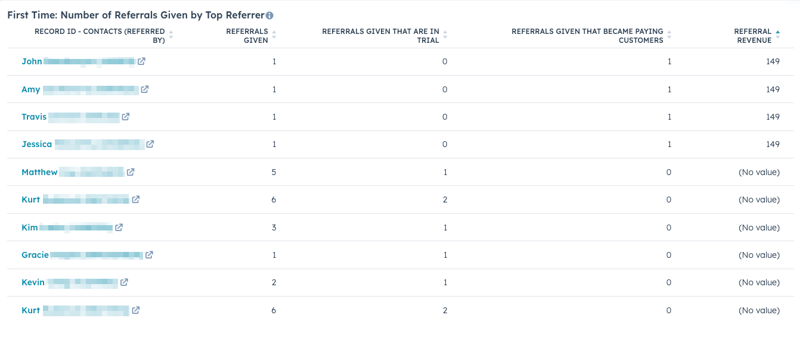
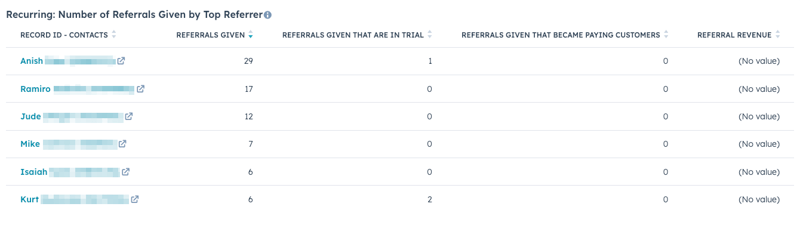
Simple Strat connected referral partner Contact records to referred users in HubSpot using association-based workflows and Rollup Properties — giving a SaaS company a live view of which partners drive the most referrals, trials, and revenue without leaving their CRM.

The Challenge
The client wanted to better understand the performance of their referral program but struggled with static data from their existing platform, Referral Rock. They faced:
-
Lack of visibility into referral partner performance, making it difficult to identify top contributors.
-
Inability to track the revenue and outcomes tied to specific referral partners.
-
A fragmented process, requiring external tools to analyze referral data and communicate with partners.
The Solution
We built a dynamic referral tracking system within HubSpot. This connected referral partner records with the users they referred, enabling visual cues on contact records and aggregated data on partner performance. Reporting and partner communications now happen seamlessly within HubSpot.
The Impact
Thanks to this custom referral setup, the client can now:
-
Clearly see which referral partners drive the most referrals, trials, and revenue.
-
Run accurate, data-driven reports to evaluate program success without relying on external platforms.
-
Centralize all referral reporting and partner communications within HubSpot, reducing complexity and manual effort.

FAQ
Can HubSpot track which referral partners are driving the most revenue without a separate referral platform?
Yes, by associating referral partner records with the contacts they refer and using Rollup Properties to aggregate outcomes, HubSpot can serve as a fully functional referral tracking system.
Most referral programs start with a dedicated tool and eventually hit the same problem: the data lives outside the CRM, so connecting a referral to a closed deal or revenue figure requires manual work. Building the referral tracking directly inside HubSpot means partner performance data is always connected to the deal and contact records it came from. Teams can report on partner performance in real time using standard HubSpot reports, without exporting anything or reconciling across platforms.
How do Rollup Properties work in HubSpot for tracking referral partner performance?
Rollup Properties aggregate data from associated records, so a referral partner's contact record can automatically display a running total of referrals given, trials generated, and revenue attributed to them.
When a referral partner record is associated with the contacts they've referred, Rollup Properties can sum or count specific fields across all of those associated records. The partner's record becomes a live scorecard that’s updated automatically every time a referred contact converts, starts a trial, or closes as a customer. This eliminates the need for manual tracking or periodic reporting runs. For SaaS companies running active partner programs, this kind of always-current attribution data is what separates a well-managed program from one that runs on gut feel and quarterly spreadsheet reviews.
What's the advantage of managing referral partner communications inside HubSpot instead of a separate tool?
When partner records, referral data, and communication history all live in HubSpot, your team can see and act on partner insights immediately.
Separate referral tools create a split between where the data lives and where the relationship is managed. When a partner hits a milestone or a referred contact converts, someone has to notice it in one tool and take action in another. Running partner communications through HubSpot means enrollment in a sequence, a task for the assigned rep, or a personalized email can all trigger automatically based on referral activity. Simple Strat, a HubSpot Diamond Solutions Partner, builds these integrated partner management systems for B2B companies that want their referral program to run as a structured, automated growth channel.