Real Estate
From Manual to Automated: Lease Renewal Management
Simple Strat designed an automated date normalization system using HubSpot Workflows and Zapier Formatter that standardizes prorated lease dates to the first and last of the month, triggering accurate renewal workflows 90 days out without any manual calculation.

The Challenge
For one nationwide co-working space, managing lease dates effectively was causing issues across the business when it came to efficiency and renewal timelines. They faced:
-
Manual date calculations for leases starting mid-month, leading to errors and wasted time.
-
Difficulty automating renewal workflows due to inconsistent lease dates, impacting client communication and retention.
-
Limited visibility into renewal timelines, creating bottlenecks in proactive outreach to clients.
The Solution
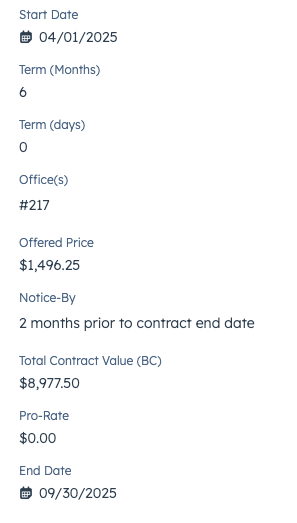
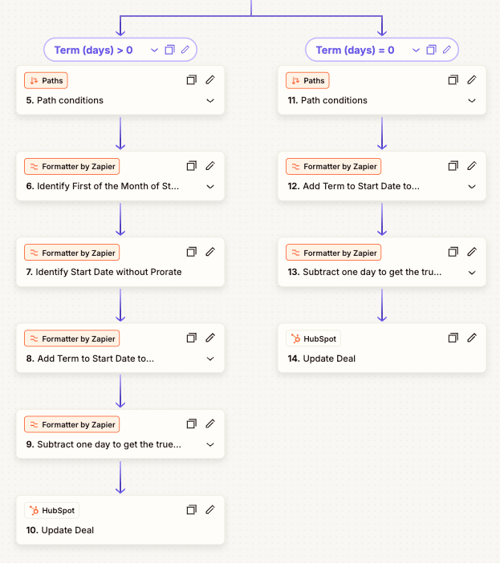
We designed an automated date normalization system using HubSpot and Zapier. This standardized lease start and end dates, ensuring prorated leases align with the first and last days of the month. By calculating accurate renewal dates and automating lease updates, the client could seamlessly manage several lease types and lengths, providing additional flexibility across the business.
The Impact
The client now has:
-
Greater operational efficiency. By automating end-date calculations, the team cut their time in half to manage each record
-
Increased accuracy in lease records, reducing errors and manual corrections.
-
Timely communication and seamless stage updates for renewals 90 days out, thanks to automated renewal workflows.
-
Improved customer retention and satisfaction for co-working tenants due to automated notifications of upcoming renewals.

FAQ
How can HubSpot handle lease renewals automatically when start dates vary throughout the month?
A Zapier Formatter step paired with HubSpot workflows can normalize inconsistent lease dates to the first and last of the month before any renewal logic runs, so the automation always has a clean date to work from.
Mid-month lease starts are one of the most common reasons renewal automation breaks down. The date math doesn't work cleanly, so teams either skip automation entirely or deal with constant errors. By running lease dates through a Zapier Formatter step first, the system calculates the true prorated start and end dates before passing them to HubSpot, giving the workflow a standardized date field it can reliably act on. From there, renewal triggers, stage updates, and client notifications all fire correctly and on time.
What's the most reliable way to trigger lease renewal outreach 90 days before a contract ends in HubSpot?
A date-based HubSpot workflow enrolled on the calculated end date field can fire consistently, but only if the end date itself is accurate, so date normalization has to come first.
The workflow logic is straightforward: enroll when the end date is 90 days away, trigger the communication and stage update. The harder problem is making sure the end date on the record is correct in the first place, especially when leases prorate mid-month or span non-standard terms. Once date normalization is in place upstream, the renewal workflow becomes highly reliable, and the team stops chasing down records where the outreach fired too late or not at all. Simple Strat, a HubSpot Diamond Solutions Partner, builds these end-to-end lease automation systems for real estate and co-working operators managing high volumes of contracts across multiple locations.
Can HubSpot manage multiple lease types and term lengths within the same automated system?
Yes, workflow branching lets you handle different lease types with separate logic paths, all within a single automation framework.
Rather than building a separate workflow for each lease configuration, HubSpot workflows support conditional branching based on any deal or contact property. Each branch can apply its own date calculations, renewal triggers, and communication sequences while the overall system stays manageable in one place. For co-working operators with diverse lease structures across a large portfolio, this means one well-built system handles the complexity instead of a patchwork of manual processes and workarounds.